
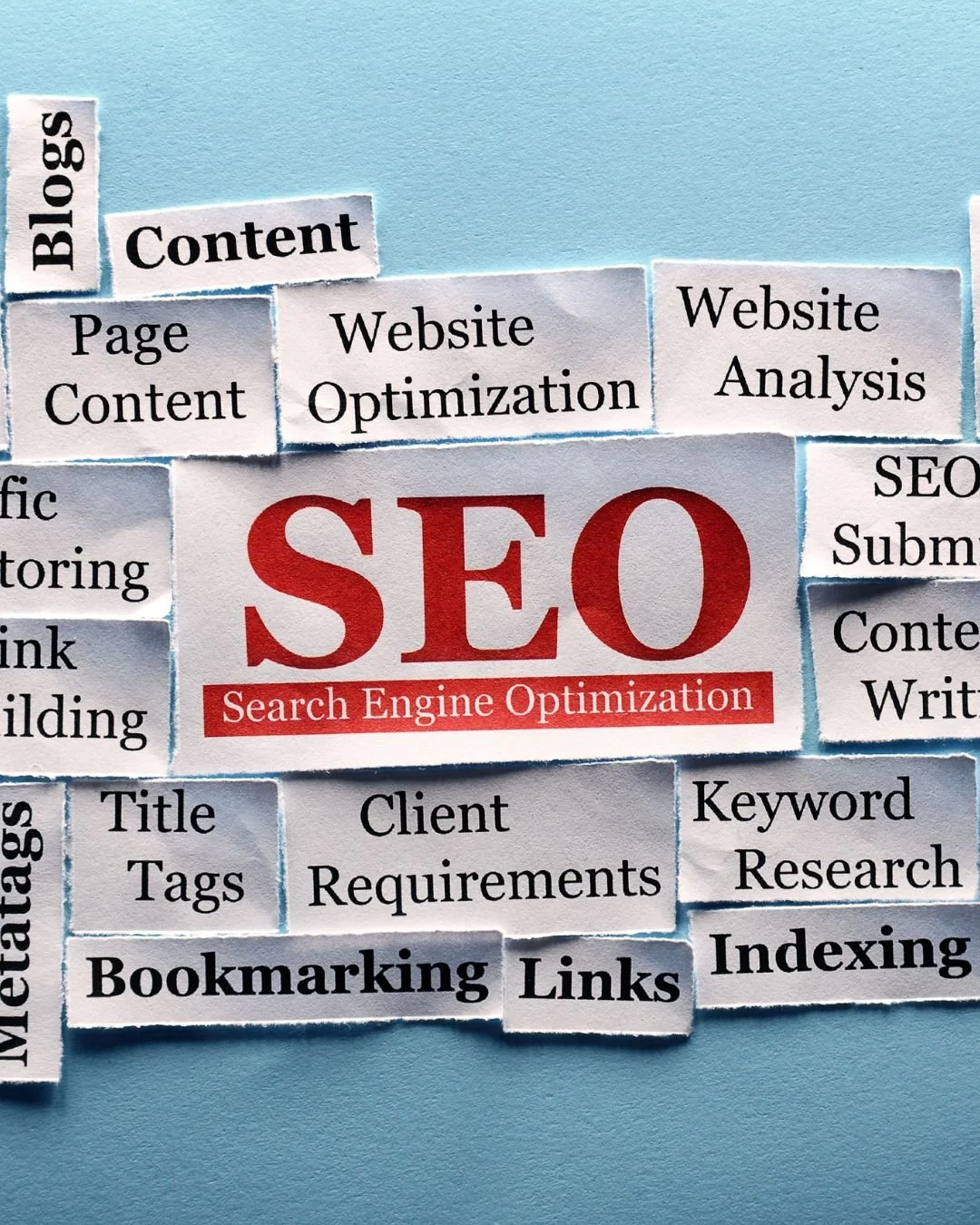







Your website is the first impression of your business online. Before a customer calls you or visits your office, they judge your brand by your website. A professional website should not only look attractive but should also work smoothly for users and search engines. A well-optimized website helps build trust, improves user experience, and supports better Google rankings.
Mobile-Friendly Website Design
Most internet users browse websites on their smartphones. If your website does not perform well on mobile devices, visitors will leave immediately. A mobile-friendly website automatically adapts to different screen sizes, is easy to read on smaller screens, and loads quickly on mobile networks. Google also prioritizes mobile-friendly websites, making this feature essential for SEO.
Fast Website Speed and Reliable Uptime
Website loading speed plays a crucial role in user experience. Slow websites frustrate visitors and increase bounce rates. A fast-loading website keeps users engaged and improves search rankings. Choosing reliable hosting, optimizing images, and keeping the website lightweight helps ensure smooth performance and consistent uptime.
Clear and Accurate Business Information
Your website should clearly display important business details such as contact information, address, working hours, and location. When visitors can easily find this information, it builds trust and makes it easier for them to reach your business without confusion.
Social Media Integration
Connecting your website with social media platforms strengthens your online presence. Social media integration helps increase brand credibility, improves engagement, and supports SEO by sending trust signals to search engines like Google.
Easy and User-Friendly Navigation
Website navigation should be simple and well-structured. Visitors should be able to find any page on your website within a few clicks. Clear navigation improves user experience, increases time spent on the website, and leads to higher conversion rates.
Strong Call-to-Action on Every Page
Every page on your website should guide visitors toward the next step. Whether it is contacting your business, requesting a quote, or booking a service, a clear call-to-action helps convert visitors into customers and improves overall website performance.
SEO-Optimized and Valuable Content
Content is one of the most important elements of a successful website. Your content should be written in natural language, include relevant keywords, and provide useful information to visitors. High-quality content helps improve search engine rankings and keeps users engaged.
Customer Testimonials and Reviews
Displaying feedback from satisfied customers builds instant trust. Testimonials and reviews help potential customers feel confident in choosing your services and play an important role in improving conversion rates.
Website Analytics and Tracking
Analytics tools help you understand how visitors interact with your website. By tracking user behavior, traffic sources, and conversions, you can make informed decisions to improve your marketing strategies and website performance.
Custom 404 Error Page
Sometimes users may land on broken or incorrect links. A custom 404 error page helps guide visitors back to important sections of your website instead of losing them. This improves user experience and reduces bounce rates.
Secure Website with HTTPS
Website security is essential for both users and search engines. A secure website protects user data, builds trust, and improves Google rankings. Using SSL and HTTPS ensures safe data transfer and makes your website more reliable and SEO-friendly.
Final Thoughts
A website that includes these essential features creates a strong online foundation for any business. If you want a professional website that looks great, performs well, and ranks higher on search engines, focusing on these features is the key to long-term success.